
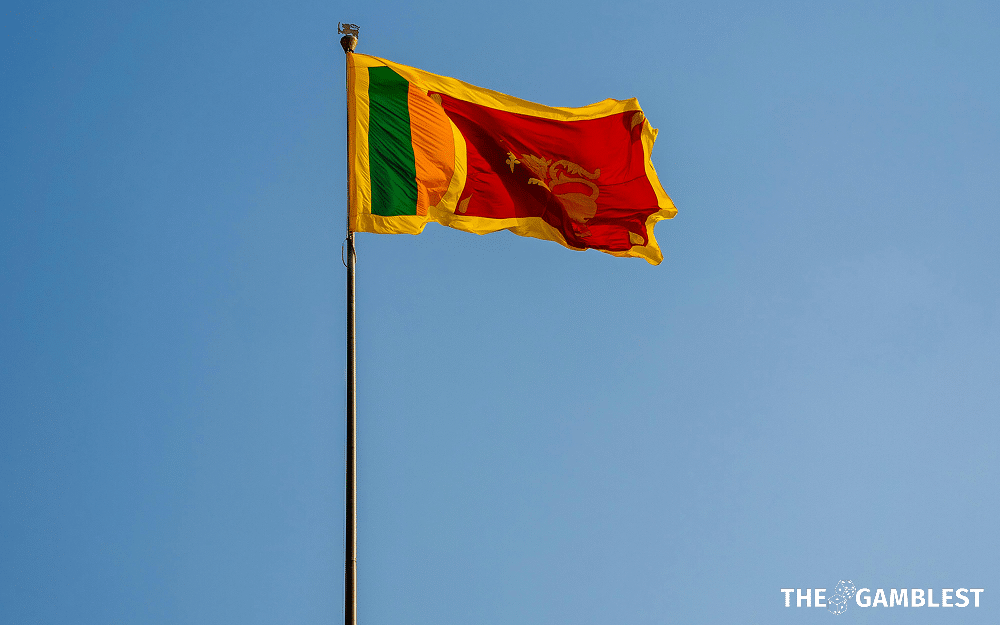
(AsiaGameHub) – Sri Lanka is considering the introduction of further regulations for its betting sector. The government has set a target date of 30 June 2026 for the Gambling Regulatory Authority (GRA) to become fully operational.
Creating this authority would bring both online and physical gambling under a single regulatory framework. This would end the current situation where a significant portion of the industry, particularly online, operates with minimal oversight. In keynote addresses at the Global Game Conference (GGC) 2026 in Colombo, officials revealed the project aims not just to control the industry but to chart a course for its sustainable growth.
Speaking at the event, Deputy Minister of Industries and Entrepreneurship Development Chathuranga Abeysinghe stated that Sri Lanka is collaborating to foster an environment that encourages innovation and expansion.
He added:
Technology combined with creativity will propel this industry forward, and Sri Lanka is privileged to participate.
He also mentioned that the government will back both local and foreign companies seeking to grow their operations in the nation.
He said:
From the government’s viewpoint, we will provide our complete support to advance this industry domestically and across the region.
Officials emphasized the sector’s ability to draw big-spending tourists, especially from neighboring regions. Deputy Transport Minister Ranasinghe observed that Sri Lanka’s closeness to India makes it a strategic hub for the area.
Ranasinghe said:
We possess considerable potential for such industries, particularly serving expanding nearby markets like India.
The shift is also a response to rapidly evolving market dynamics. Studies show 60 to 70 percent of gambling in Sri Lanka occurs online, complicating transaction tracking and tax collection. The government has aligned the gambling industry more directly with broader economic goals, such as boosting tourism. The sector has recently diversified beyond local venues, moving toward large resorts and luxury travel offerings.
Authorities are targeting three million international tourist arrivals by 2026, with gambling projected to yield $250 million annually and bolster public funds via taxation. Recent policy changes support this approach, including raising the gambling tax from 15% to 18% and increasing casino entry fees to generate additional income.
For many, the launch of the GRA is a pivotal moment. Attendees at the GGC conference stressed that clearer regulations would boost Sri Lanka’s appeal to the gambling sector, especially as several other Southeast Asian countries tighten their gambling rules. Separately, a Diamante Tech representative informed SiGMA News at the conference that interest in Sri Lanka is rising. In principle, more defined regulations could attract a greater number of operators.
The representative noted:
Based on the exhibitors and attendees, many are from across Asia, and there’s a feeling that attention is now turning to the Sri Lankan market.
He added that the new policy direction offers prospects for online providers:
This is a very positive step… and a strong opportunity. The sector is poised for growth.
Despite the optimistic outlook, significant challenges remain. Experts note that formalizing a currently largely informal online market is a massive undertaking, reliant on enforcement capabilities, robust technical systems, and cooperation with international partners, among other factors.
By targeting a mid-2026 launch for the GRA, officials signal an intent not only to manage the fast-evolving gambling landscape but also to establish Sri Lanka as a premier regional destination for the industry.
This article is provided by a third-party. AsiaGameHub (https://asiagamehub.com/) makes no warranties regarding its content.
AsiaGameHub delivers targeted distribution for iGaming, Casino, and eSports, connecting 3,000+ premium Asian media outlets and 80,000+ specialized influencers across ASEAN.